


Horse Protection Act
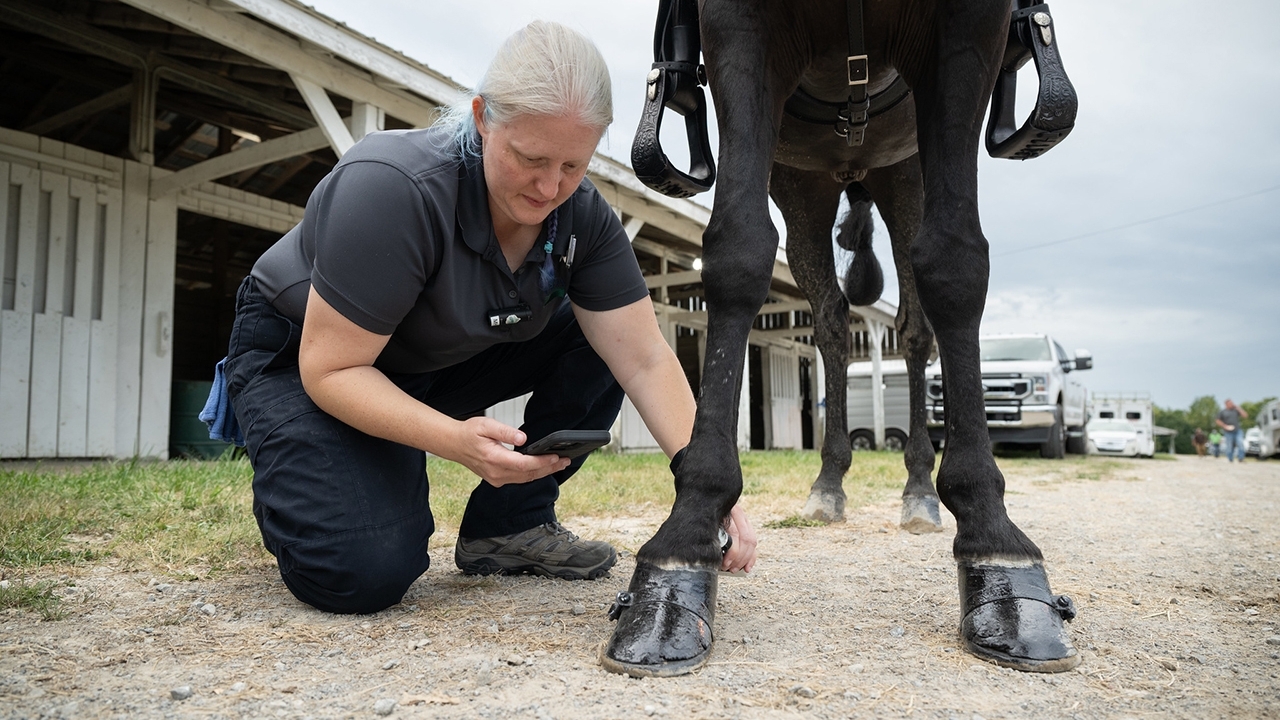
The Horse Protection Act (HPA) is a Federal law that prohibits sore horses from participating in shows, exhibitions, sales or auctions. It also prohibits the transportation of sore horses to or from any of these events.
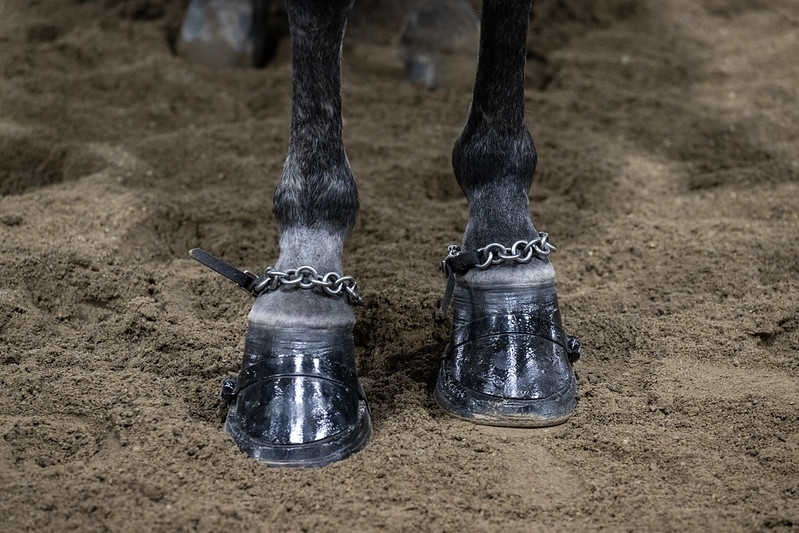
Soring is a cruel and inhumane practice used to accentuate a horse’s gait. Soring involves injuring the legs and feet of horses, particularly Tennessee Walking Horses and racking horses, to alter their natural gait to gain an unfair competitive advantage.
Featured Topics

About the Horse Protection Act
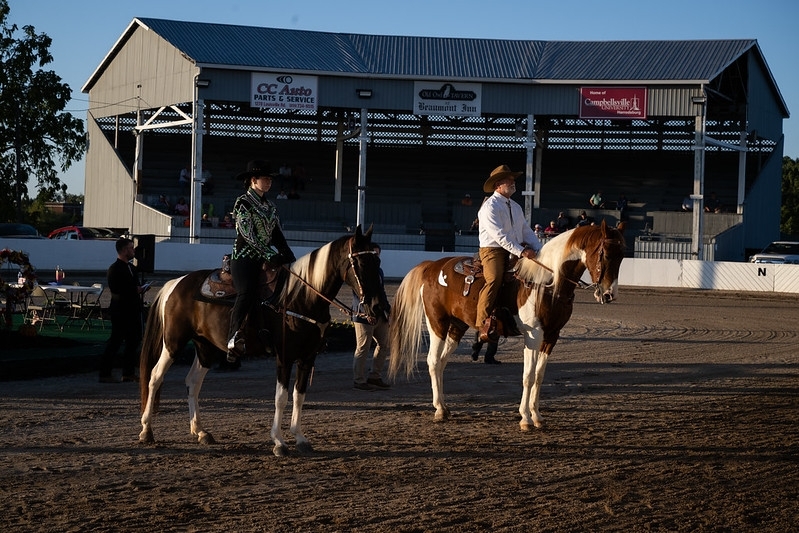
The HPA establishes a multi-tiered structure to eliminate the cruel and inhumane practice of soring and ensure fair competition at horse shows, exhibitions, sales, and auctions. First, it makes it unlawful for any person to show, exhibit, sell, or transport sore horses, or to use any prohibited equipment, device, paraphernalia, or substance in horse shows, exhibitions, sales, or auctions. Second, it holds horse owners responsible for allowing such prohibited activities. Third, it entrusts the management of horse shows, exhibitions, sales, and auctions with ensuring that sore horses do not unfairly compete with horses that are not sore. The USDA has established regulations implementing the HPA in Parts 11 and 12 of Title 9 of the Code of Federal Regulations (CFR).
The HPA entrusts management of horse shows, exhibitions, sales, and auctions with ensuring that sore horses do not unfairly compete with other horses. To do this, management has two options:
- Hire a Designated Qualified Person (DQP) to inspect horses, which limits liability to situations where management knows a horse is sore but still allows it to compete.
- Choose not to hire a DQP and accept liability for any sore horse that competes, whether management is aware of the soreness or not.
Management also must provide USDA with adequate space and facilities for inspections and maintain accurate records and information for USDA.
Under the HPA, the management of a horse show, exhibition, sale, or auction may appoint a Designated Qualified Person (DQP) to detect and diagnose sore horses and otherwise inspect horses to enforce the HPA. DQPs are licensed by horse industry organizations and associations (HIOs) that have a DQP program certified by the USDA.
Individuals interested in becoming a licensed DQP must contact the HIO directly. DQP applicants meet basic qualifications, complete a formal training program, and must be free of conflicts of interest to obtain a license. Licensed DQPs conduct inspections and maintain records in accordance with the regulations.
USDA inspectors attend horse shows, exhibitions, sales, and auctions to assess compliance with the HPA. Their inspections can cover any relevant records and activities. They may inspect horses, review records, observe horses in the warmup ring and during performances, and observe licensed Designated Qualified Persons (DQPs) inspecting horses. Both USDA inspectors and DQPs follow regulatory inspection procedures, which include observation of a horse’s movement, digital palpation and examination of the pasterns, and inspection of devices and equipment.
Violations of the HPA and regulations carry significant consequences. USDA, after notice and an opportunity for a hearing, may assess civil penalties of not more than $2,000 for each violation and disqualify violators from showing or exhibiting any horse, judging or managing any horse show, exhibition, sale, or auction for a period of not less than 1 year for the first violation and not less than 5 years for any subsequent violation. Civil penalties of up to $3,000 can be assessed for a violation of an order of disqualification. In addition, criminal penalties range from $3,000 and/or imprisonment for not more than 1 year for knowingly violating the Act to $10,000 and/or imprisonment for not more than 10 years for weapon-related offenses.
Additional Information
File an Animal Welfare Complaint
To file a complaint regarding soring, use our online form.
Contact Us
APHIS Horse Protection
Email: horseprotection@usda.gov
Phone: 970-494-7478
2150 Centre Ave.
Bldg. B, Mailstop 3W11
Fort Collins, CO 80526