



Equine Piroplasmosis
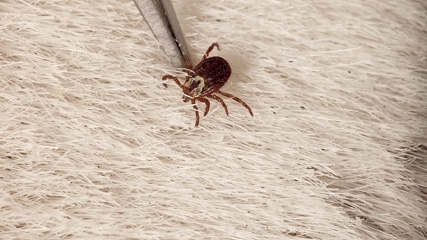
Equine piroplasmosis (EP) is a blood-borne disease caused by protozoal parasites Theileria equi or Babesia caballi. The disease is spread primarily by ticks. It can affect horses, donkeys, mules, and zebras. Mortality rates for infected horses can reach 50 percent. EP is a foreign animal disease. All detections must be reported to State and Federal animal health officials.
EP is endemic in tropical and temperate areas of the world with ticks capable of carrying the disease, including South and Central America, the Caribbean, Africa, the Middle East, and Eastern and Southern Europe. Horses presented for import into the United States must test negative for T. equi and B. caballi. In the United States, EP is endemic in Puerto Rico and the U.S. Virgin Islands. Isolated outbreaks have occurred on the U.S. mainland.
In most cases, an EP-infected horse can take 10 to 30 days to show signs of the disease. It may not affect all horses equally.
Horses with a mild case of EP typically have:
- Reduced appetite or lack of appetite
- Weakness or exercise intolerance
Horses with more severe cases may have:
- Fever
- Anemia
- Jaundice (yellow discoloration of mucous membranes)
- Weight loss
- Labored breathing
- Swollen abdomen
- Colic
- Sudden death
Horses that survive the initial signs of the disease become chronic lifelong carriers and may show no further signs.
EP is most often spread in the United States through blood and blood-contaminated equipment. Certain species of ticks can also spread EP, particularly in countries where the disease is widespread. Ticks become infected when they ingest blood from infected equines. The ticks then spread it by biting uninfected equines.
There is no vaccine. To prevent the spread of EP:
- Never reuse needles, syringes or IV sets.
- Only use new, clean needles with injectable medicines.
- Only use licensed and approved blood products.
- Make sure blood transfusions are performed only by licensed veterinarians using donor horses that have tested negative for EP and other blood-borne diseases like equine infectious anemia.
- Regularly check your horses for ticks. If you are in a tick-infested area, use tick repellant products to protect your horses.
- Reduce tick exposure by routinely mowing pastures and removing brush and weeds.
Historically, EP-infected animals were euthanized, exported from the United States, or quarantined for the rest of their lives. Today, APHIS offers a treatment program for EP-infected horses. An accredited veterinarian performs the treatment, with oversight from State and Federal animal health officials. This program has been successful in clearing most horses of infection over time. Treated horses are released from quarantine once they test negative for EP.
Report Signs of Animal Disease
Producers or owners who suspect an animal disease should contact their veterinarian to evaluate the animal or herd. Find an accredited veterinarian.
Animal health professionals (veterinarians; diagnostic laboratories; public health, zoo, or wildlife personnel; and others) report diagnosed or suspected cases of nationally listed reportable animal diseases to APHIS Area Veterinarians in Charge and to the State animal health official as applicable under State reporting regulations.
Controlling Equine Piroplasmosis
APHIS protects our Nation’s equine industry from EP in several ways:
- We regulate equine imports and maintain tick control and surveillance programs.
- We require a negative EP test for most imported horses to enter the United States. EP-positive horses can only enter the country temporarily under special arrangements, such as for international equine events like the World Equestrian Games.
- We have laboratories approved to test horses for EP. We notify the World Organisation for Animal Health (WOAH) if an outbreak occurs here.
- We also offer a supervised EP-treatment program.
The United States identified natural tick-borne transmission of EP in Florida in the early 1960s, primarily due to the parasite Babesia caballi. In response, we began a State-Federal EP control program in Florida to eradicate the disease and tropical horse ticks. The program used quarantine and drug treatment for infected equines, tick treatment for infected and exposed animals and premises, and movement controls to prevent EP spread. As a result of this lengthy eradication campaign, the United States was declared EP-free in 1988.
Another outbreak of tick-transmitted EP was not identified in the United States until 2009. Over 400 horses from a large ranch in south Texas were found to be infected with another parasite, Theileria (formerly Babesia) equi. Ticks linked to the outbreak included cayenne tick (Amblyomma [cajennense] mixtum) and American dog tick (Dermacentor variabilis). The Texas ranch had another site in Brazil, where EP was endemic. Movement of horses between these two ranches was likely the source of the outbreak. In cooperation with State, federal, and academic partners and ranch personnel, we eradicated T. equi from the Texas ranch by quarantining the premises long-term, culling infected horses or treating them with imidocarb dipropionate, and mitigating tick vectors with acaricide.
Two parasites, Babesia caballi and Theileria (formerly Babesia) equi, cause EP. In most cases, horses that survive the acute phase of infection continue to carry the parasites. These “chronic carriers” become potential sources of infection for other horses.
Tick Bites
EP is carried by Ixodid or “hard” ticks of various genera. The United States is home to several tick species capable of carrying this disease:
- Cayenne tick (Amblyomma [cajennense] mixtum)
- Tropical horse tick (Dermacentor nitens)
- Winter tick (D. albopictus)
- American dog tick (D. variabilis)
- Southern cattle tick (Rhipicephalus [Boophilus] microplus)
- Asian longhorned tick (Haemaphysalis longicornis)
Although these ticks could host and transmit EP, current surveillance shows no natural tick-borne transmission of EP on the U.S. mainland.
Contaminated Blood
Equipment contaminated with EP-infected blood can also spread the disease. This may include injectable, surgical, dental, or tattoo equipment. The most common routes of transmission in recent U.S. cases include:
- Reuse of needles, syringes, or intravenous administration tubing between horses
- Blood-contamination of multidose drug vials
- Administration of contaminated blood or plasma products
- Direct blood transfusion between horses
Rarely, in utero transmission from mare to foal has also been reported.